If you have been researching resin clay cutters, you have probably seen the claims. Sharper. More detailed. Professional grade. I believed all of it too. I was on the resin hype train for longer than I would like to admit, and it took a broken cutter and a deep dive into materials science to change my mind completely.
Here is what I actually found.
Table of Contents
What Resin Clay Cutters Are Made Of
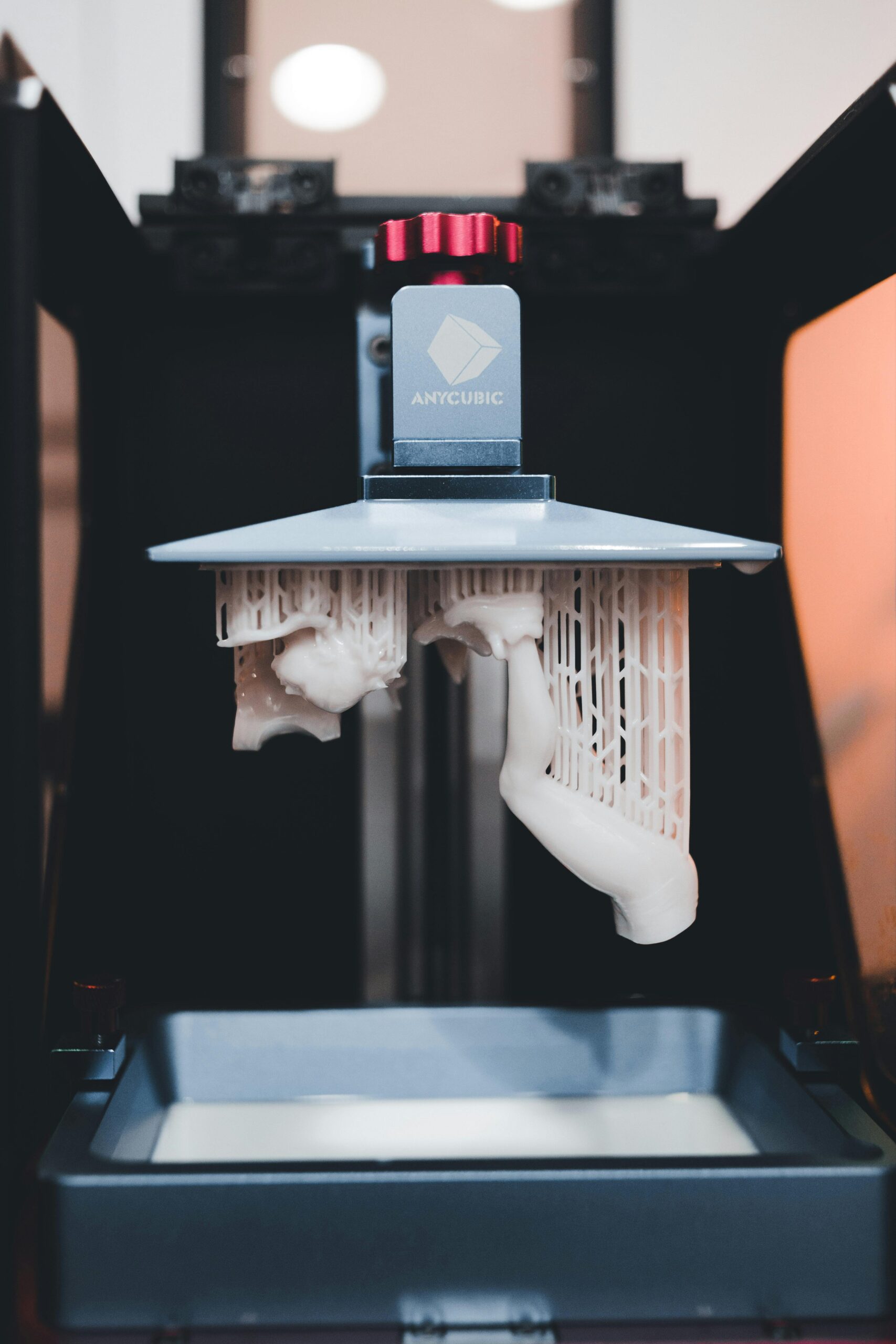
Resin clay cutters are made from UV-cured or chemically cured petroleum-based resin. That means they start as a liquid derived from crude oil, which is then hardened using either ultraviolet light or chemical curing agents. This is where the trouble begins, because liquid resin is genuinely toxic to work with. Uncured resin is absorbed through the skin and sensitises you with repeated exposure, and the printing, washing and curing stages release volatile organic compounds (VOCs), studies have identified dozens of them, including methacrylates, styrene and aldehydes that are known skin and respiratory irritants, some with possible long-term cancer risk. The curing and washing steps actually release far more VOCs than the printing itself, and if a resin cutter is ever burned, it gives off yet more toxic fumes.
When a resin cutter breaks, and they do break, it goes straight to landfill. Petroleum-based resins are non-recyclable and non-biodegradable, so a broken cutter simply sits there, with additives able to leach into the surrounding soil and water over time. Once a resin cutter is made, it is made. There is no closing the loop on it.
Resin vs PLA at a Glance
Before the detail, here is the short version.
| Feature | Resin | PLA |
|---|---|---|
| Material | Petroleum-based, from crude oil | Plant-based bioplastic (corn, sugarcane) |
| Detail | Can print thinner, but fragile | Precise at 0.35mm, detail from design not thinness |
| Durability | Brittle, shatters when dropped or pressed unevenly | Flexes under pressure, survives daily studio use |
| Safety | Toxic to handle, VOCs when printing, curing and burning | Non-toxic to handle |
| End of life | Non-recyclable, straight to landfill | Recyclable through filament buyback programs |
The Performance Argument Does Not Hold Up
The main selling point for resin is that it can be printed thinner than PLA, which in theory means sharper cuts and finer detail. In practice this argument falls apart quickly.
Ultra-thin resin clay cutters are fragile. A single press with slightly uneven pressure, or one drop on a hard surface, and they shatter. The cutting edge that makes them theoretically sharper is the same edge that makes them impractical in a real studio session. I replaced more resin cutters in three months than I have PLA cutters in years.
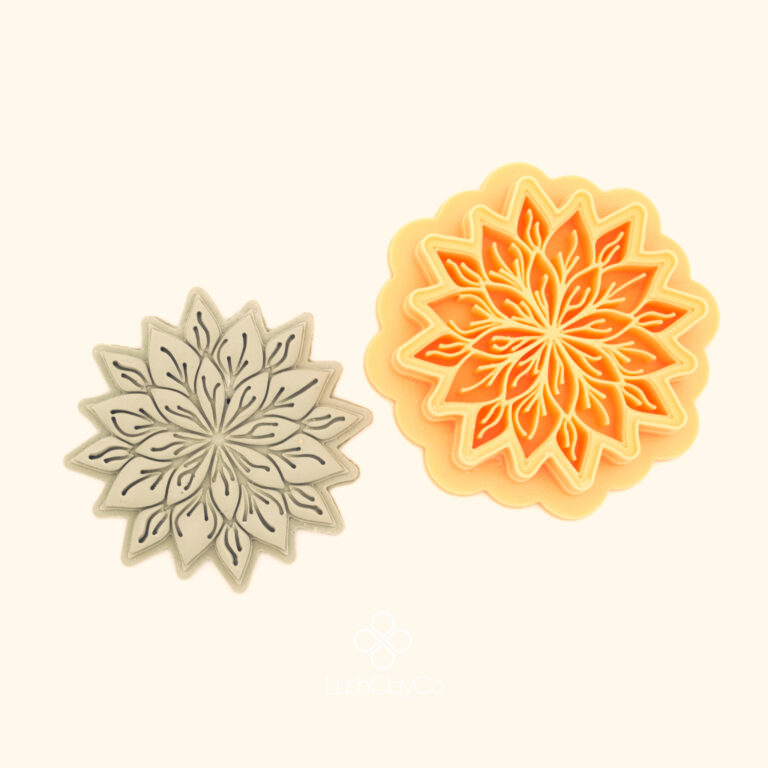
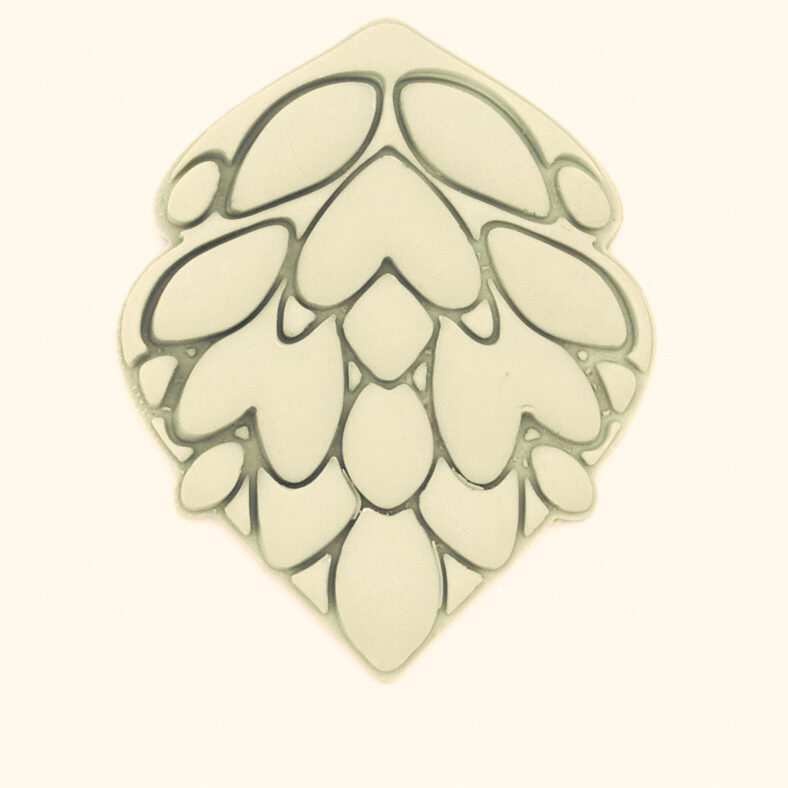
LushClayCo cutters are 3D printed in PLA at 0.35mm thickness. That is thin enough to produce clean, precise cuts in polymer clay across even intricate shapes. The Penç Flora is a good example of how much detail is achievable at that thickness without any of the fragility of resin. Sharpness comes from design and edge geometry, not material.
PLA Is a Genuinely Better Material
PLA, or polylactic acid, is a bioplastic derived from renewable plant sources like corn, sugarcane, and cassava. Unlike petroleum-based resin, PLA produces significantly lower greenhouse gas emissions during production and does not require fossil fuel extraction. It is non-toxic to handle, which matters when you are working with it in an enclosed studio space for hours at a time.
It is also meaningfully more durable for everyday crafting. PLA flexes slightly under pressure rather than shattering, which means your cutters survive the kind of normal studio use that destroys resin. And its real environmental strength is not that it quietly disappears, PLA needs proper processing to break down, but that it can actually be recovered and reused, which is where the next part comes in.
The Part Nobody Talks About: PLA Buyback Programs
This is what genuinely convinced me that PLA is the right material for responsible makers.
Some PLA filament suppliers now run buyback programs where they collect used and scrap PLA filament, reprocess it, and turn it into new filament. You send back your offcuts and failed prints, they give you a discount on your next filament order, and the material gets a full second life cycle instead of going to waste.
Here in St Louis, we use Printerior Designs, which runs exactly this kind of program. You do not need to buy their collection bucket. You just need their label inside your bag. If you are in another state it is worth searching for similar programs near you since they are becoming more common as the 3D printing community takes material responsibility seriously.
This is a closed loop that simply does not exist for resin. There is no resin buyback. There is no second life cycle. There is just landfill.
What This Means for Your Studio
Choosing PLA polymer clay cutters over resin clay cutters is not a compromise. You get the same precision, better durability, a safer working environment, and a material that can actually be recovered and reused. The only thing you give up is the marketing story.
Browse the full range of polymer clay cutters and see what clean, precise, planet-conscious cutting actually looks like in practice.
Resin and PLA Clay Cutters FAQ
How toxic are resin clay cutters?
3D printing resin is genuinely toxic to work with. Uncured liquid resin is a skin and respiratory sensitiser that absorbs through the skin, and the printing, washing and curing process releases volatile organic compounds (VOCs), studies have found dozens of them, including methacrylates, styrene and aldehydes linked to irritation, sensitisation and, with long exposure, possible cancer risk. Burning resin releases further toxic fumes. PLA, by contrast, is non-toxic to handle.
Are PLA clay cutters sharp enough for fine detail?
Yes. LushClayCo PLA cutters are printed at 0.35mm, thin enough for clean, precise cuts even on intricate designs. Sharpness comes from the design and edge geometry, not from the material being thinner and more fragile.
Is resin or PLA better for polymer clay cutters?
PLA for everyday studio use. Resin can be printed slightly thinner but is brittle and shatters, toxic to handle, and cannot be recycled. PLA flexes rather than breaking, is non-toxic, and can be recovered through filament buyback programs.
Can you recycle PLA clay cutters?
PLA can be recycled through filament buyback programs that collect used and scrap PLA, reprocess it, and turn it into new filament. There is no equivalent for resin, a broken resin cutter goes straight to landfill.